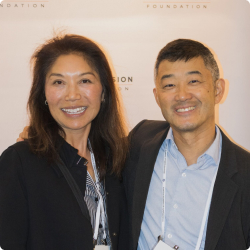
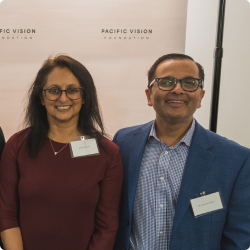
Barkan Day June 2026

Dear Faculty, Residents, Colleagues and Friends, Fall invites both gratitude and forward motion. This issue pairs a look at glaucoma innovation with Dr. Robert Stamper and a resident’s-eye view of growth and discovery with Dr. Mallory Bowers. We’re also gearing up for Barkan Day’s 40th and launching a Job Board to help our community share and fnd opportunities.

You’ll also fnd information on how to refer patients to the Frank Stein and Paul S. May Center for Low Vision Rehabilitation, which continues to provide specialized support for patients adapting to vision loss that cannot be fully corrected.

Here’s to a season of learning, mentorship, and connection.

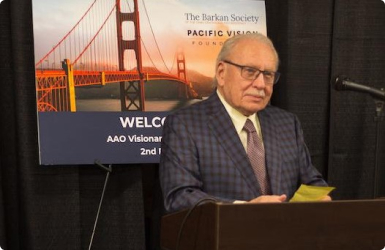
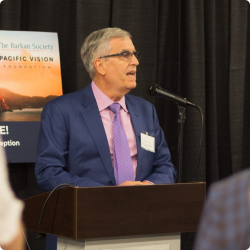
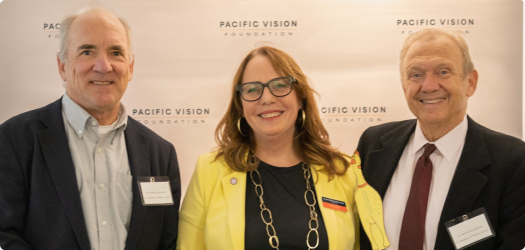
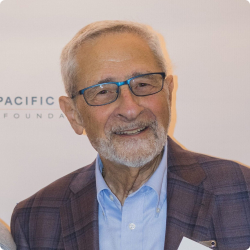
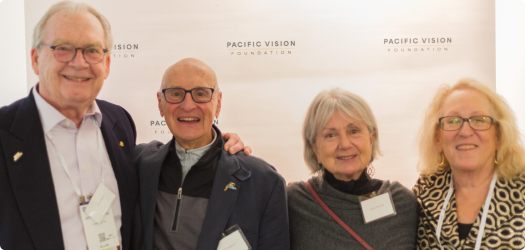
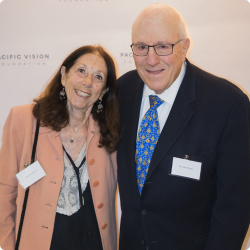
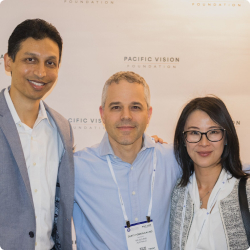
Barkan Reunion

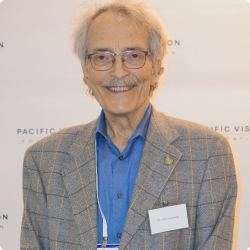
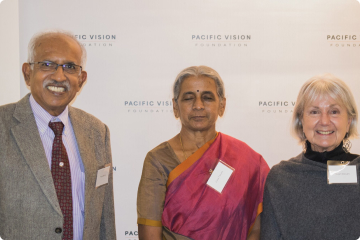
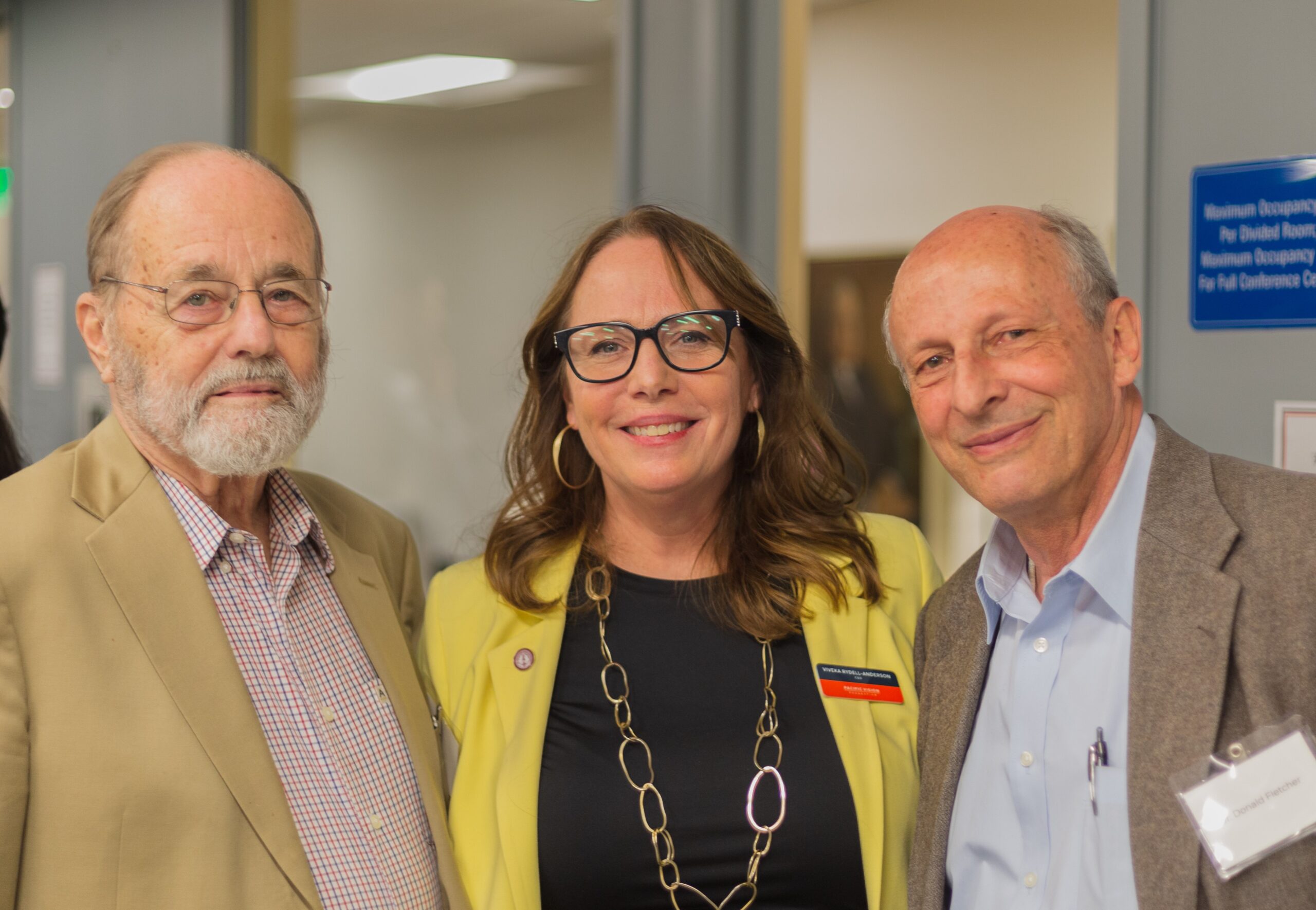
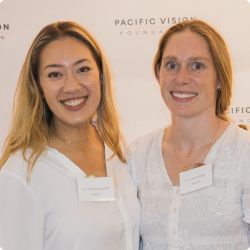
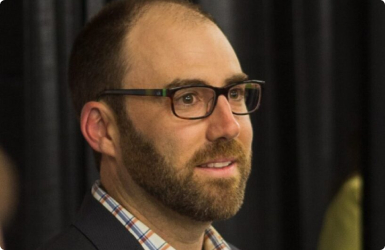
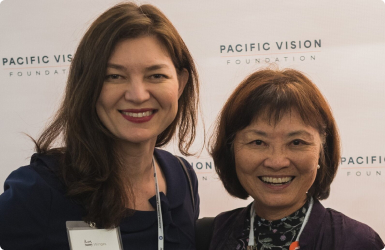
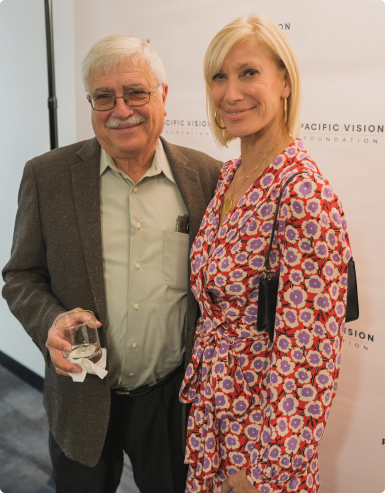
The stars were aligned and in attendance
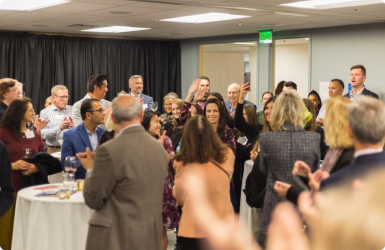
Dr. Bernd Kutzscher
Barkan Society Co-President
Dr. Robert Sorenson
Barkan Society Co-President

Faculty Spotlight: From Past to Future:
How Dr. Stamper is Shaping Modern Ophthalmology

Dr. Robert Stamper’s path to ophthalmology began, as he describes it, almost by accident. After graduating from college, his parents hosted a celebration and invited their new neighbors, one of whom happened to be an ophthalmologist specializing in glaucoma. That neighbor invited Stamper to work with him, an offer that would shape his entire career. Although he had already planned to move west to UCLA for research, he spent the next three summers in medical school conducting glaucoma research.

“It wasn’t a big surprise to anyone that I chose ophthalmology,” he recalls.
“And it wasn’t a surprise that I went into glaucoma.”

Over the decades that followed, Stamper witnessed what he calls “radical and explosive” change in the feld. When he began, cataract surgery required hospitalization before and after the procedure, and recovery could stretch over a week. Today, it’s an outpatient surgery completed in hours with vastly improved outcomes. Glaucoma care has evolved just as dramatically.

“When I started, we had two eye drop medications and a pill, and it was hard to tell which of the three was worse,” he says with a smile. “Now we have seven classes of medications that are well tolerated and far more effective than surgeries. The risk of going blind is much lower today than it was sixty years ago.”

Much of Stamper’s focus has been on improving how glaucoma is detected and monitored. For decades, visual feld testing has been the standard, but it is lengthy and demanding, often requiring patients to maintain concentration for up to twenty-five minutes. He is now among the leaders evaluating new technologies designed to change that process.

At the core of this effort is the Objective Field Analyzer, a device invented by Ted Maddess, PhD, and developed by Konan Medical. This FDA-approved technology measures tiny, involuntary pupil movements in response to visual stimuli, creating an objective map of the patient’s visual feld without requiring manual input.

“We are one of the few teams in the world analyzing its accuracy for screening and monitoring glaucoma,” Stamper explains. “If we can eliminate the subjective part of the test, we can make glaucoma screening faster, more reliable, and more accessible.”

He is also exploring other frontiers such as virtual reality-based testing. Using eye tracking inside VR goggles, this technology delivers stimuli wherever the patient is looking. The result is potentially quicker, more engaging testing that could be performed in the clinic or even at home. “The ability to screen at home or in community settings could change the landscape of glaucoma care,” Dr. Stamper says.

Stamper’s interest in innovation is balanced by his belief in cautious evaluation.

“There are closets full of what is now considered junk that was once going to save the world,” he reflects. For him, every new device must prove its value through solid evidence. “Everything has a plus side and a minus side,” he says. “You have to balance them both.”

Much of Stamper’s focus has been on improving how glaucoma is detected and monitored. For decades, visual field testing has been the standard, but it is lengthy and demanding, often requiring patients to maintain concentration for up to twenty-five minutes. He is now among the leaders evaluating new technologies designed to change that process.

At the core of this effort is the Objective Field Analyzer, a device invented by Ted Maddess, PhD, and developed by Konan Medical. This FDA- approved technology measures tiny, involuntary pupil movements in response to visual stimuli, creating an objective map of the patient’s visual field without requiring manual input.

“We are one of the few teams in the world analyzing its accuracy for screening and monitoring glaucoma,” Stamper explains. “If we can eliminate the subjective part of the test, we can make glaucoma screening faster, more reliable, and more accessible.”

He is also exploring other frontiers such as virtual reality-based testing. Using eye tracking inside VR goggles, this technology delivers stimuli wherever the patient is looking. The result is potentially quicker, more engaging testing that could be performed in the clinic or even at home. “The ability to screen at home or in community settings could change the landscape of glaucoma care,” Dr. Stamper says.

Stamper’s interest in innovation is balanced by his belief in cautious evaluation.

“There are closets full of what is now considered junk that was once going to save the world,” he reflects. For him, every new device must prove its value through solid evidence. “Everything has a plus side and a minus side,” he says. “You have to balance them both.”

Despite stepping away from clinical practice, Stamper continues to teach and mentor young ophthalmologists. “I enjoy teaching,” he says simply. “It’s been who I am for a long time.”

When asked about his legacy, he points not to awards or innovations but to the residents and fellows he has trained.

“One of the nicest compliments is when someone I trained thirty years ago tells me they still hear my voice in the operating room,” he says. “That’s when I know I’ve had an impact.”

Resident Spotlight: Patterns in Nature and
Medicine: The Journey of Dr. Mallory Bowers

Keen observation has always been central to Dr. Mallory Bowers’ interests, whether identifying a bird in the field or recognizing subtle clinical signs in a patient’s exam. That attention to detail drew her to ophthalmology. “I loved the visual-pattern recognition of ophthalmology, generating a gestalt of different exam findings into a cohesive diagnosis,” she says.

Her path to residency was shaped by a formative experience during her fourth year of medical school, when she completed a visiting rotation at Highland Hospital.

The opportunity to train in a level 1 trauma center and public hospital, serving one of the most racially and ethnically diverse communities in the United States, left a lasting impression.

“To be an ophthalmology resident in this setting is truly special,” she reflects.

Within ophthalmology, Dr. Bowers is most drawn to glaucoma, a subspecialty that combines the continuity of long-term patient care with surgical complexity and evolving therapeutics. She is particularly eager to gain more experience with MIGS and incisional glaucoma procedures in the operating room.

She finds great satisfaction in clinical consults, despite the fatigue of call. “I like the challenge of an undifferentiated patient,” she notes, acknowledging that the uncertainty of medicine whether due to incomplete histories, difficult bedside exams, or unreliable testing is both demanding and integral to clinical growth.
Faculty and co-residents have played an important role in her transition to residency, offering warmth and genuine investment in her training.

She also carries forward advice from Dr. Hernandez: treat patients like you would a family member.

This principle continues to guide her approach whenever treatment decisions are complex or uncertain.

Whether in the hospital or outdoors with binoculars in hand, Dr. Bowers’ sharp eye, patience, and curiosity define her approach. These qualities not only make her an enthusiastic birder but also a thoughtful and compassionate physician dedicated to advancing the field of ophthalmology.

Frank Stein and Paul S May Center for Low Vision
Rehabilitation: Enhancing Daily Function for
Patients with Vision Loss

The Frank Stein and Paul S May Center for Low Vision Rehabilitation, located on the 4th floor of 711 Van Ness, provides ongoing support for patients experiencing visual impairment that cannot be fully corrected with glasses, contact lenses, or surgery.

The clinic is designed to help individuals adapt to changes in their vision and continue participating in the activities that matter most to them.

Open Wednesdays, the clinic offers:

Functional vision assessments led by an occupational therapist specializing in low vision rehabilitation.
Training in adaptive devices and techniques to enhance reading, mobility, and daily living.
Environmental and home safety recommendations to promote independence and confidence.


The clinic’s goal is to complement the medical and surgical care you provide by helping patients make the most of their remaining vision and improve their quality of life.

To learn more:

Low Vision Center | Pacific Vision Foundation

Refer: https://bit.ly/low-vision-referral (fillable form)

Phone: 415-997-6521
Fax: 415-430-9748

Together, we can help patients continue to live independently and with confidence despite visual challenges.

Save the Date: Barkan Day Turns 40!